
Water heater not working in Florence? Repair options by symptom
Leaks, rumbling and lukewarm water can usually be sorted by symptom. Dispatch picks up (520) 340-7175 at every hour, and a plumber heads out once one is available to go.
The plumbers doing the work are licensed and insured. They test the unit, then say whether repair or replacement is the better path.
- Licensed and insured plumbers
- Same-day service when available
- 24/7 emergency dispatch
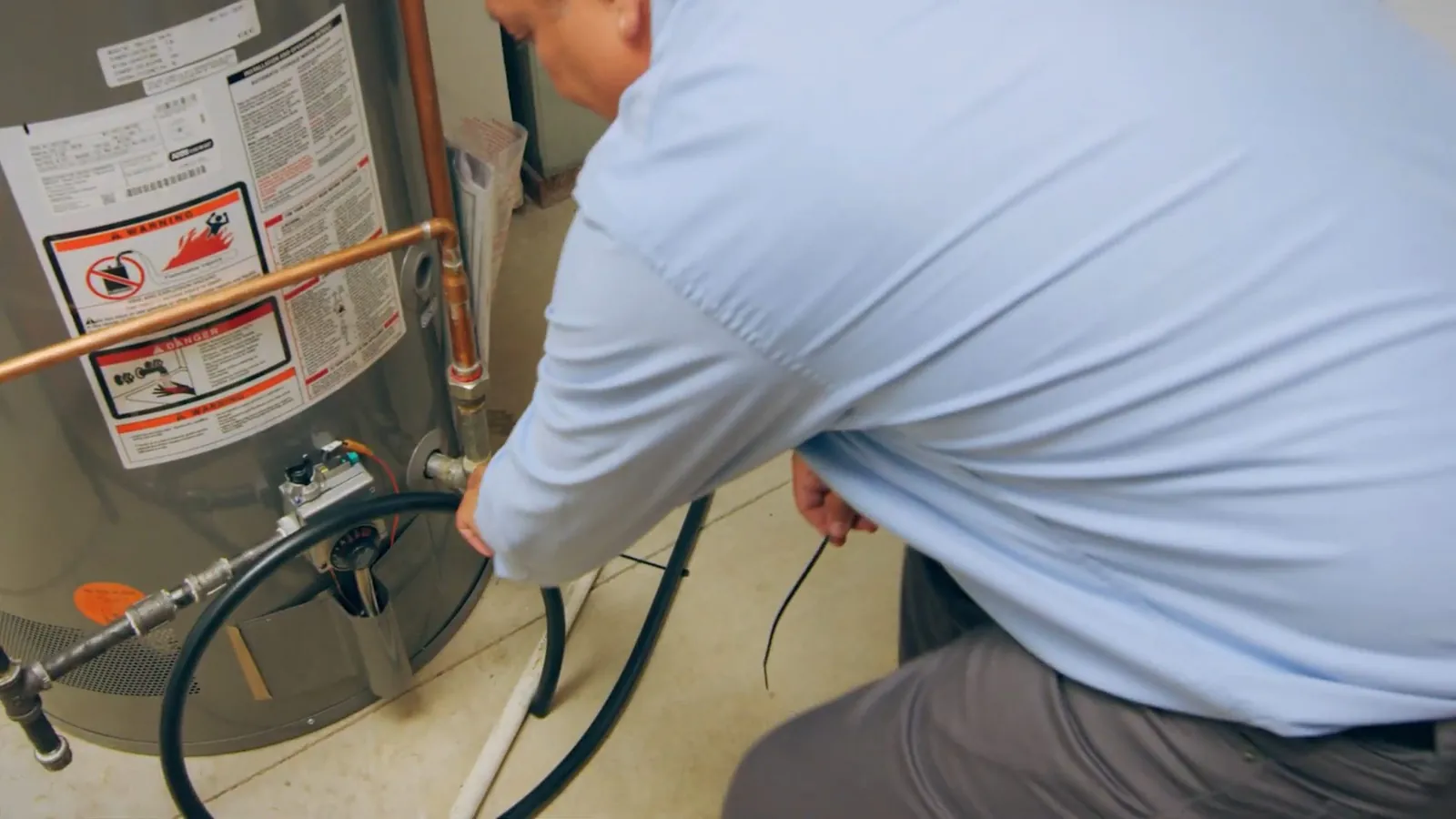
No hot water or not enough: check by symptom
| Symptom | Common cause | What the plumber checks |
|---|---|---|
| No hot water, gas unit | Pilot out or a failed igniter or thermocouple | Gas supply, pilot assembly and burner |
| No hot water, electric unit | Tripped breaker, failed element or thermostat | Power, elements and thermostat |
| Lukewarm water | Sediment, a weak element or a dip tube problem | Tank temperature and element resistance |
| Water too hot | Faulty thermostat | Thermostat and temperature setting |
| Popping or rumbling | Sediment on the tank bottom | Whether a flush will clear it |
For an urgent or same-day call, tell dispatch whether the unit is gas or electric, whether it leaks and what you have already shut off, and a plumber is arranged when one is available.
A pilot or igniter problem is a common reason for a gas unit going cold overnight. Relighting is only safe if you smell no gas.
Gas or electric: what gets repaired
The repairs differ because the heat source differs. The tank and the water connections are shared.
| Gas tank | Electric tank | |
|---|---|---|
| Heat source | Burner and pilot or igniter | Upper and lower heating elements |
| Controls | Gas control valve with thermostat | Thermostats with a high-limit cutoff |
| Venting | Needs a flue to carry exhaust out | No flue needed |
| Typical repairs | Thermocouple, igniter, gas valve, flue draft | Elements, thermostats, wiring checks |
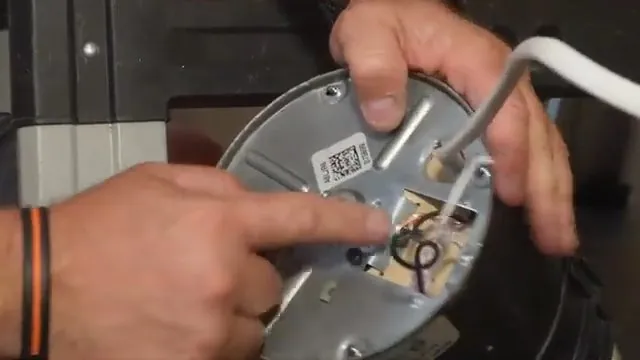
A leaking tank
Where the leak is decides what happens next. A drip at a fitting, a valve or a pipe connection can be repaired. Water that seeps from the tank body usually means the inside has corroded through, and the tank needs replacing.
- Shut off the cold water valve above the heater
- Turn off the power, or set gas controls to pilot
- Mop standing water to protect flooring
- Take a photo of the leak and the label for the plumber
If the heater is past repair, the water heater swap page explains sizing and what is involved. A leak that spreads into a wall or floor falls under water removal and drying.
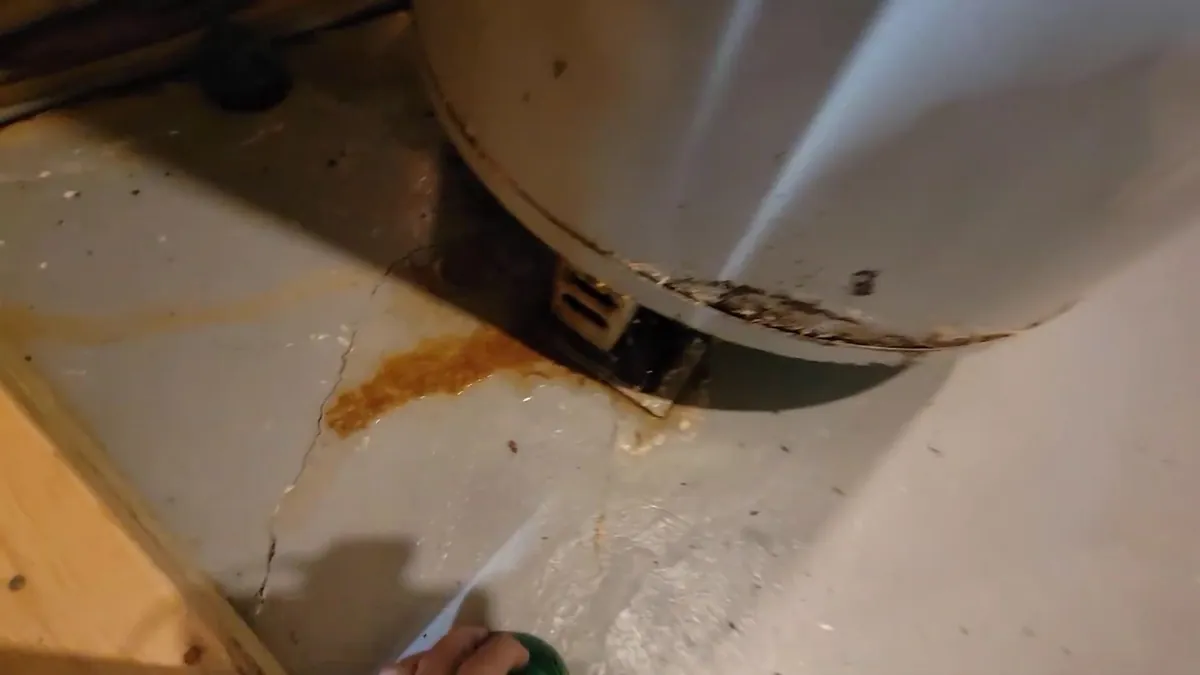
Flushing and sediment
Sediment collects at the bottom of a tank over time and makes the unit work harder. A flush clears it. The Town of Florence and Arizona Water Company both leave hardness out of their latest water reports, so no local figure exists to set a schedule by.
Instead, judge by what drains out. Cloudy water with grit means sediment is building, and a flush is worth doing. A plumber can also check the anode rod, which protects the tank, during a service visit.
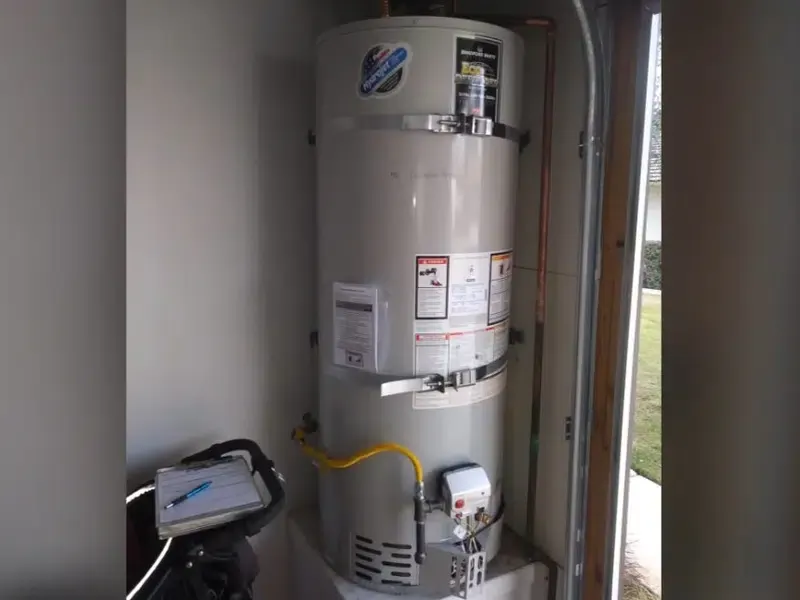
Repair or replace: how to decide
| Repair makes sense when | Replace makes sense when |
|---|---|
| The part is a thermostat, element, valve or igniter | The tank itself is leaking |
| The tank is sound and not very old | The unit is well past ten years old |
| This is the first problem in a while | Repairs have repeated within a short time |
Some homes move to an on-demand unit when the tank is replaced. The tankless unit service page compares the two.
Pilot, igniter, thermostat and noise
Smaller problems are quick to name. A pilot that will not stay lit often needs a new thermocouple. An igniter that clicks without lighting may be failed. A thermostat stuck on one setting can mean cold or scalding water. Rumbling and popping point back to sediment.
Each of these is handled during the same visit once the plumber has seen the unit.
Water heater repair questions answered
How long does a tank water heater last, and when should I replace it?
Two options help: repair when the problem is a part such as an element, a thermostat or a valve on a unit that is otherwise sound. Replace when the tank itself leaks, when the unit is well past a decade old or when repairs repeat.
The date code on the tank gives its age, and a plumber can read it for you. The replacement page covers sizing and choices.
Why is my water heater making noise?
Popping and rumbling usually come from sediment on the bottom of the tank, where water trapped under it boils and bursts. Hissing can mean a small leak on a hot surface. Ticking can be expanding pipes.
A flush removes sediment, but a heater that is loud and old may have a layer too thick to clear. A plumber can look and tell which it is.
Who should I call to fix a water heater in Florence?
Call a licensed and insured plumber, and if the job could need a permit, ask whether it does. Permits in Florence go through the Town's Building Safety office on West 20th Street.
Dispatch can arrange a plumber serving your area. If you rent, tell the landlord or property manager first, since they may arrange the repair.
What does a water heater flush involve?
A flush follows a short sequence:
1. Turn off the power or set gas controls to pilot. 2. Close the cold water supply to the tank. 3. Attach a hose to the drain valve and run it to a safe drain or outside. 4. Open the drain and a hot tap upstairs to let the tank empty. 5. Briefly open the cold supply to stir out loose sediment, then close the drain and refill.
If you are not comfortable, have a plumber do it. Do not turn the power back on until the tank is full.
Who fixes water heaters, a plumber or an appliance technician?
Picture a renter who wakes up to cold showers. For the water heater itself, a plumber handles the water and gas connections, venting and the tank, while an electrician handles the power supply wiring when it is the cause.
Dispatch can send a plumber who checks the heater first and says if another trade is needed.