Dripping, running or leaking fixtures in Florence: repair or replace
A toilet that will not stop running, a faucet that drips all night or a shower that will not shut off wastes water and wears out parts. Call (520) 340-7175 and dispatch can send a plumber to fix it, or to replace the fixture if it is past saving.
The plumbers on these jobs are licensed and insured, and they check the fixture, the shutoff valve and the supply line so the repair lasts.
- Licensed and insured plumbers
- Same-day service when available
- 24/7 emergency dispatch
Toilet repair: running, weak flush or clogged
| Symptom | Likely part | Fix |
|---|---|---|
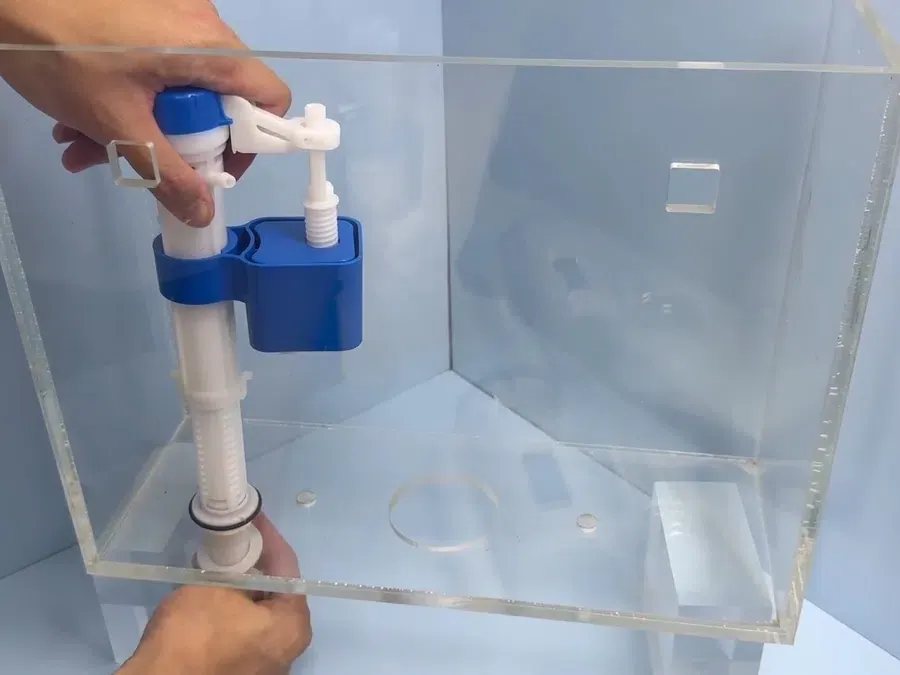
| Runs after flushing | Flapper or fill valve | Replace the worn part |
| Weak flush | Clogged rim jets or low tank water | Clear the jets and reset the water level |
| Rocks or leaks at the base | Failed wax ring or loose bolts | Reset the toilet with a new ring |
| Clogs often | Partial blockage or a slow trap | Auger, camera if it repeats |
| Water on the floor near the tank | Cracked tank or loose supply | Tighten, repair or replace |
A running toilet is the most common cause of a surprise water bill. The meter keeps counting even when nothing seems to be wrong, and the leak finding service page explains how to tell a running toilet from a hidden leak.
Replacing a toilet
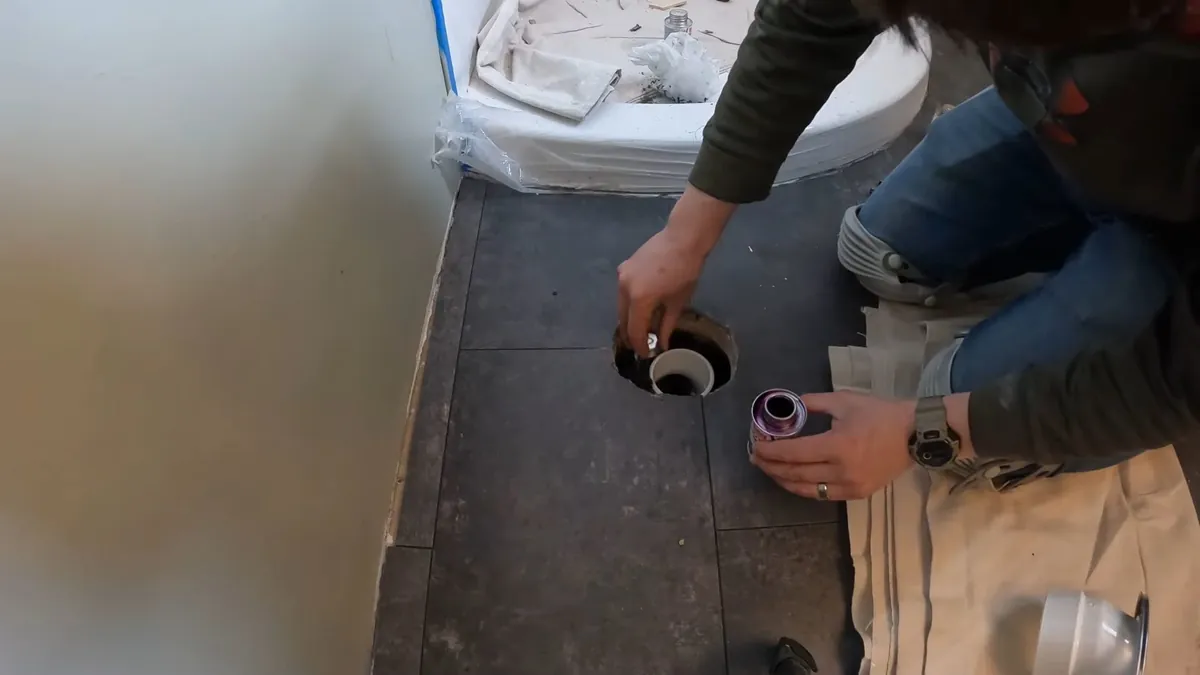
A toilet is worth replacing when the porcelain is cracked, the bowl is stained through or the unit has needed several repairs. A new toilet is set on a new seal, connected to the supply and tested for leaks and a good flush.
- Check the rough-in distance, the space from the wall to the drain center
- Choose a bowl shape that fits the room
- Ask whether the old toilet is hauled away
- Dual-flush and relocated toilets are also possible; ask about them early
Faucet repair and replacement
Leaky faucets waste water every hour they drip. Most drips come from a worn cartridge, seat or washer. A plumber identifies the style, replaces the part and tests the faucet. If the finish is pitted or the body is leaking, a new faucet is the better answer.
- Drips at the spout: cartridge, seat or washer
- Leak at the base or handle: O-ring or packing
- Low flow: clogged aerator or supply valve
- Water hammers when a faucet shuts: loose pipe or high pressure
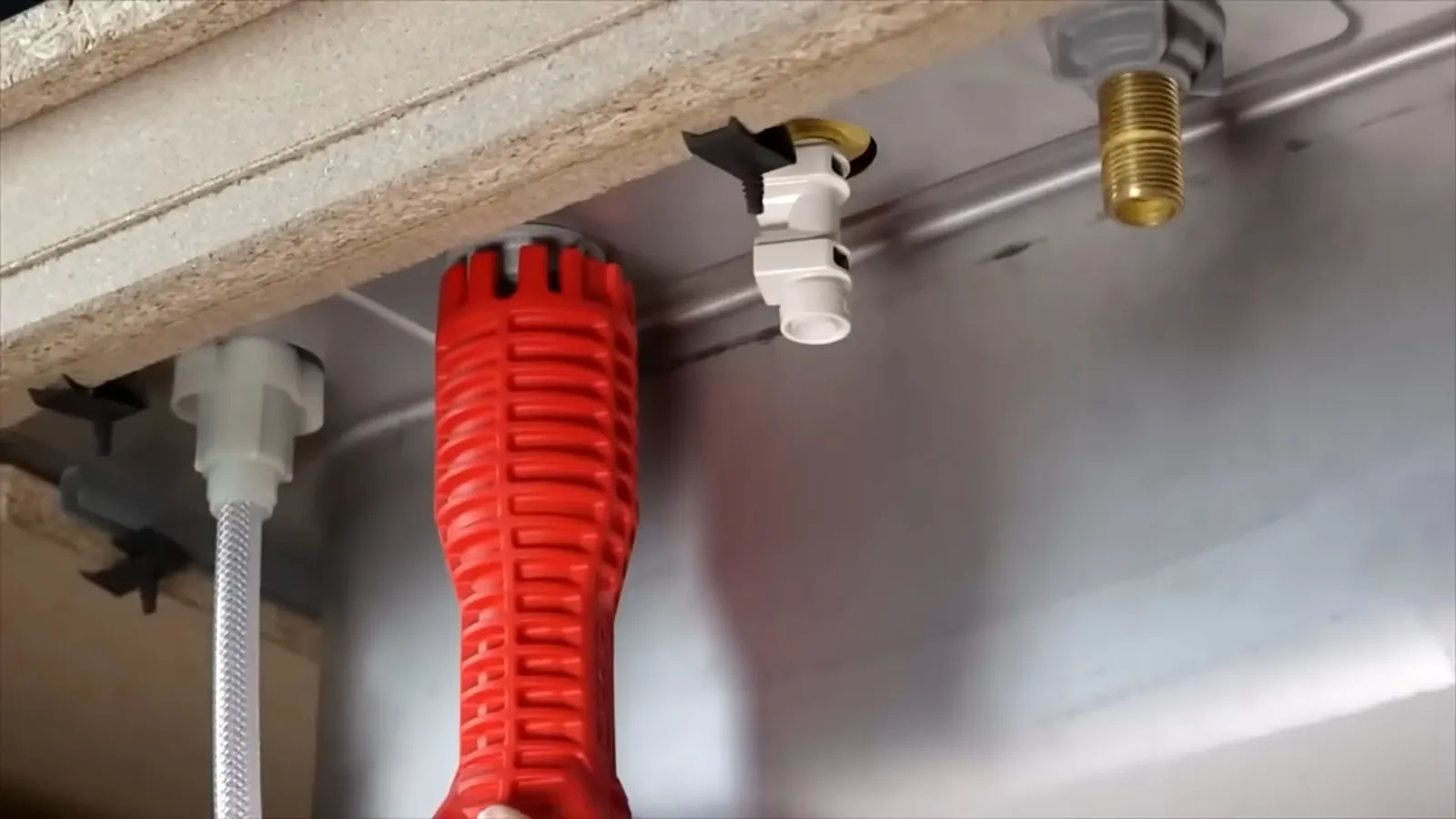
Installing a new faucet takes a few steps: shut off the supply, remove the old unit, set the new one, connect and test. Check that the sink has the right hole count first.
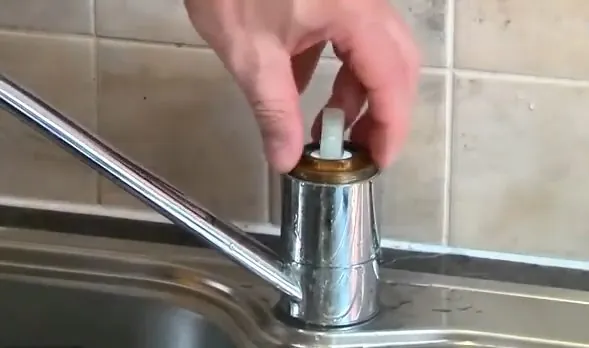
Kitchen sink and bathroom vanity
A kitchen sink has more parts to leak: the faucet, the supply lines, the drain basket, the trap and the sprayer or filter line. A vanity sink has the same, in a smaller space.
Swapping a ceramic kitchen sink for a stainless one is fixture work too. The old bowl comes out, the drain and supply lines are reconnected and the plumber checks under the new bowl for leaks.
If the sink drains slowly instead of leaking, it is a clog and the drain clearing service page applies. A disposal under the kitchen sink has its own page, disposal repair.
Bathtub and shower: valve, head and leaks
| Problem | Common cause | What happens |
|---|---|---|
| Shower will not shut off | Worn cartridge or valve | Cartridge replaced |
| Water temperature swings | Failed mixing cartridge | Cartridge or valve replaced |
| Low flow from the shower head | Mineral buildup in the head | Head cleaned or replaced |
| Water behind the wall | Leaking valve body or pipe | Wall opened at the valve, repair made |
| Tub drains slowly | Hair and soap plug | Cleared by hand or snake |
A shower that leaks inside the wall can damage drywall quickly. Treat a stain on the opposite side of a shower wall as urgent.
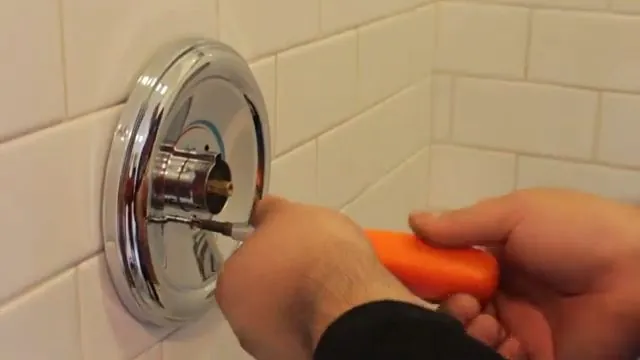
Shutoff, supply and angle valves
Every fixture should have a shutoff valve. These valves stick when they are never used. A plumber can replace a stuck or leaking one, so a future repair does not mean shutting off the whole house.
A valve that will not close can also point to the line behind it, covered under {A('water-line-repair','water line repair')}. Flexible supply lines wear out too. A braided line that is bulging, rusty or more than several years old is worth replacing before it fails.
Hookups and extras: washer, dishwasher, ice maker, bidet and hose bib
- Washer: a hot and cold valve box and a standpipe drain
- Dishwasher: a supply line and a drain connection with an air gap or loop
- Ice maker: a small supply line with its own valve
- Bidet: a supply and a seat or attachment
- Outdoor faucet or hose bib: a frost-proof or standard valve, with a shutoff
Specialty work, such as a tub-to-shower conversion, a wet bar, a laundry room or a toilet relocation, begins with rough-in plumbing. That is covered next.
Remodel and rough-in: wet-space plumbing only
Rough-in means the supply and drain lines placed before walls close. A plumber can move or add a fixture in a bathroom, kitchen or laundry room. This page covers the plumbing, not the tile, cabinets or framing, which belong to other trades.
Exterior drainage and general remodeling are outside what a plumber handles here.
Fixture repair questions answered
Two of my bathrooms have running toilets. What is going on?
A toilet that runs after the flush usually has a worn flapper, a fill valve that no longer shuts off or a chain that is too tight or too loose. Two toilets running at once often means two worn parts of the same age, not a house-wide problem.
Add a few drops of food coloring to the tank and wait ten minutes. If color appears in the bowl, the flapper is leaking. A plumber can replace the parts in one visit.
Why is my toilet water running, and is it worth fixing?
Two choices. Repair the toilet if it is only the flapper, fill valve or chain, which are small parts and quick to swap. Replace it if the tank or bowl is cracked, the porcelain is stained through or parts are no longer available.
A toilet that runs wastes water every minute, and the water meter keeps counting it.
My toilet is backing up and will not flush. What should I do?
Stop flushing, since each flush adds water to a full bowl. Try a plunger with a firm seal. If the water drains slowly and comes back, the blockage is past the toilet.
If other drains also gurgle or back up, the blockage is further down the line. Call, and tell dispatch which fixtures are affected.
What does a faucet replacement involve?
Mineral buildup clogs aerators and cartridges, and no local report gives a hardness figure to predict it, so check for scale when a faucet underperforms. A plumber shuts off the supply valves, removes the old faucet, fits the new one and tests for leaks.
Bring the faucet model if you have it, and check that the sink has the right number of holes for the new fixture.