
Slab leak under your Florence home: find it, confirm it, fix it
A pipe leaking under a concrete floor is hard to see and easy to misread. It can arrive as a warm spot underfoot, a bill that keeps rising or the sound of water in a quiet house. (520) 340-7175 connects you to dispatch day or night, and dispatch can have a plumber serving your area test the lines.
Licensed and insured plumbers do the work. They locate the leak, lay out the repair choices and recommend a path only after that.
- Licensed and insured plumbers
- Same-day service when available
- 24/7 emergency dispatch
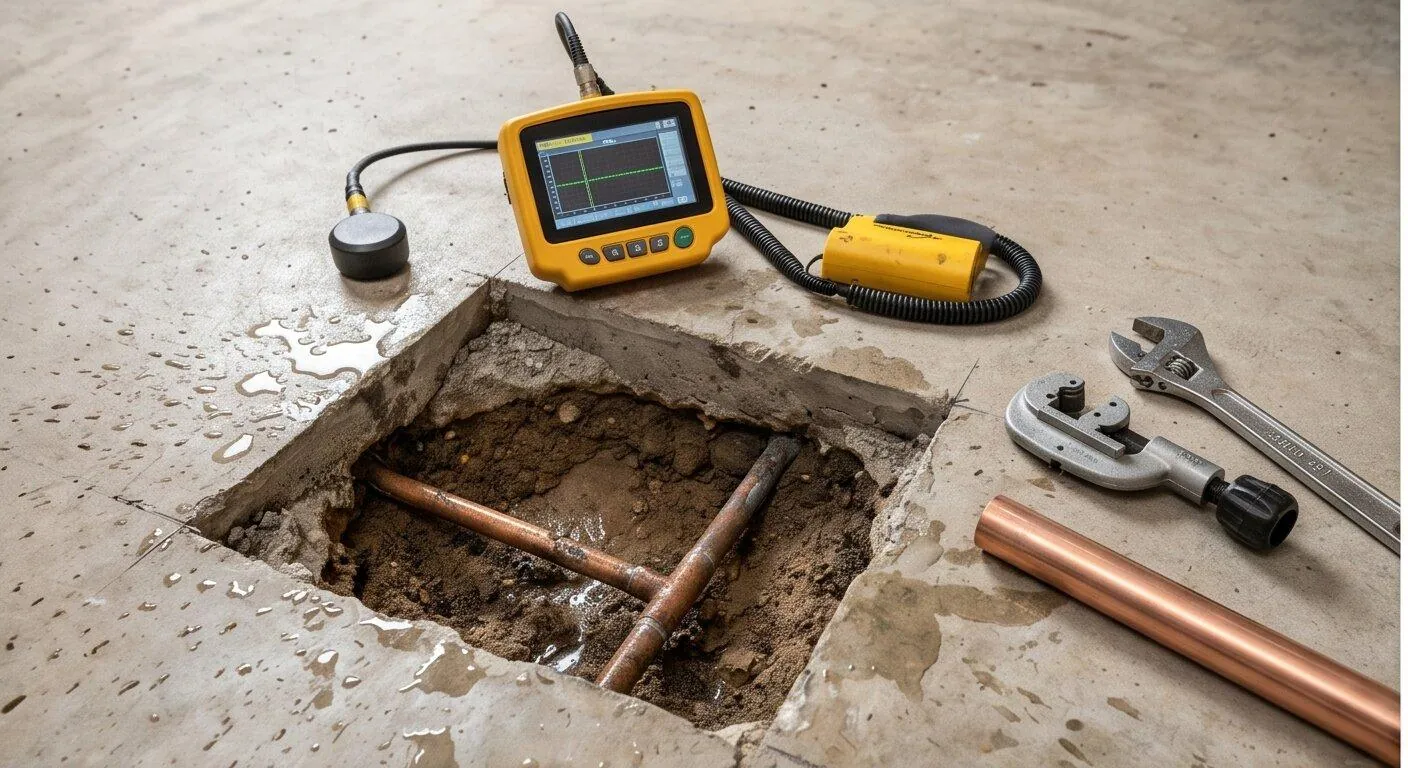
Confirm what your home is built on before assuming a slab leak
Not every leak near the floor is a slab leak. Many homes have a raised foundation, a crawlspace or pipes running through walls and ceilings. This page does not assume which one you have, because no source ties the foundation type to Florence homes in general.
A plumber confirms it on site by checking where the pipes enter the house, testing which lines hold pressure and tracing the water to its source. The answer decides everything that follows, including whether concrete has to be opened at all.
Signs that a pipe under the floor is leaking
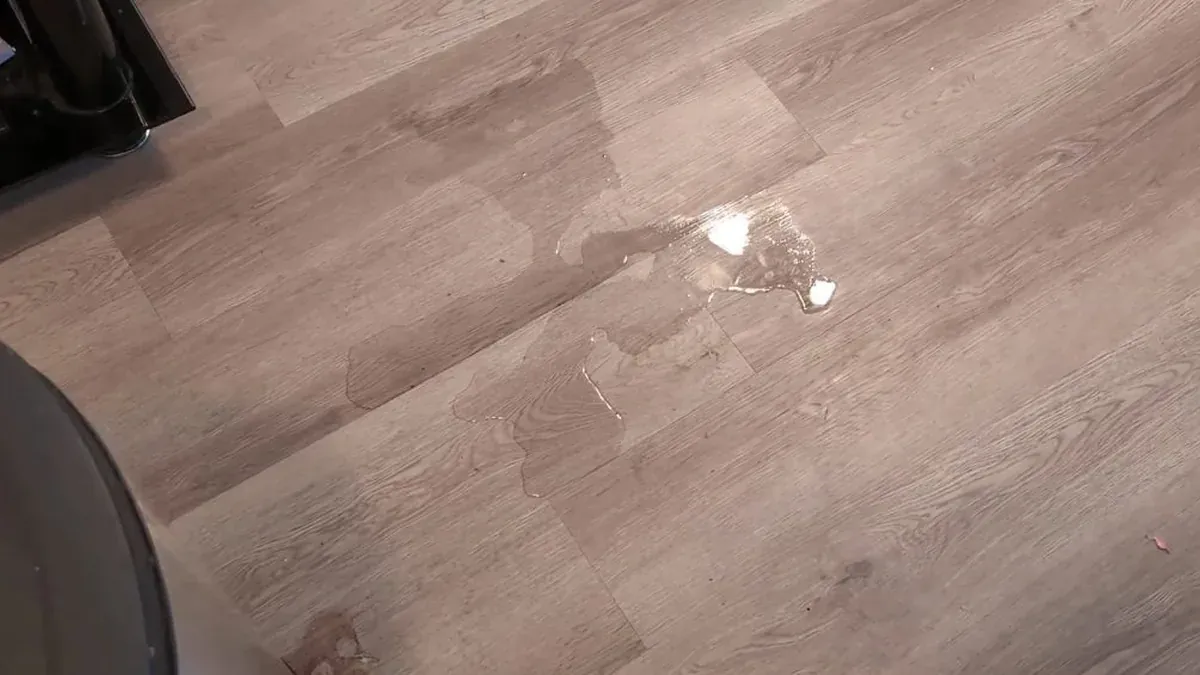
- A warm or hot spot on a tile or concrete floor
- The sound of running water when all fixtures are off
- A water meter that keeps moving with the house quiet
- Damp carpet or baseboards along an interior wall
- A water bill that rises without any change in use
- Lower hot water pressure or a water heater that runs more than usual
Hot water lines show up as warm spots. Cold water lines show up as damp ones. Both are worth a call.
Finding the leak under the floor
Detection is what makes a slab leak repair small instead of large. The visit usually follows these steps.
- The plumber closes the main valve and confirms the meter still moves, which proves a leak exists.
- Individual lines are isolated and pressure tested to narrow down which pipe is losing water.
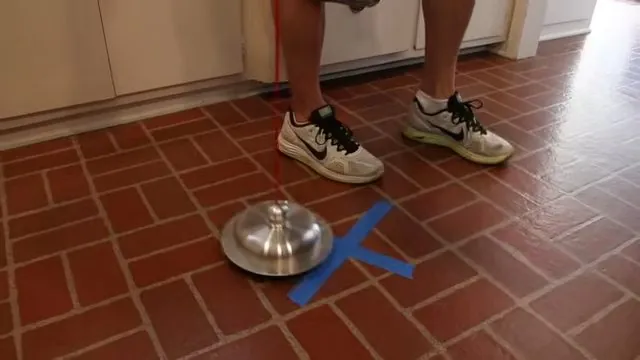
- Acoustic equipment is run across the floor to find the loudest point of the leak.
- The spot is marked and checked a second way, such as a moisture reading, before anything is opened.
Because the work is done from above, the floor stays intact until the location is certain.
Slab leak repair options
There is more than one way to repair a pipe under concrete. The right one depends on where the leak is and how the rest of the piping looks.
| Option | What happens | Trade-off |
|---|---|---|
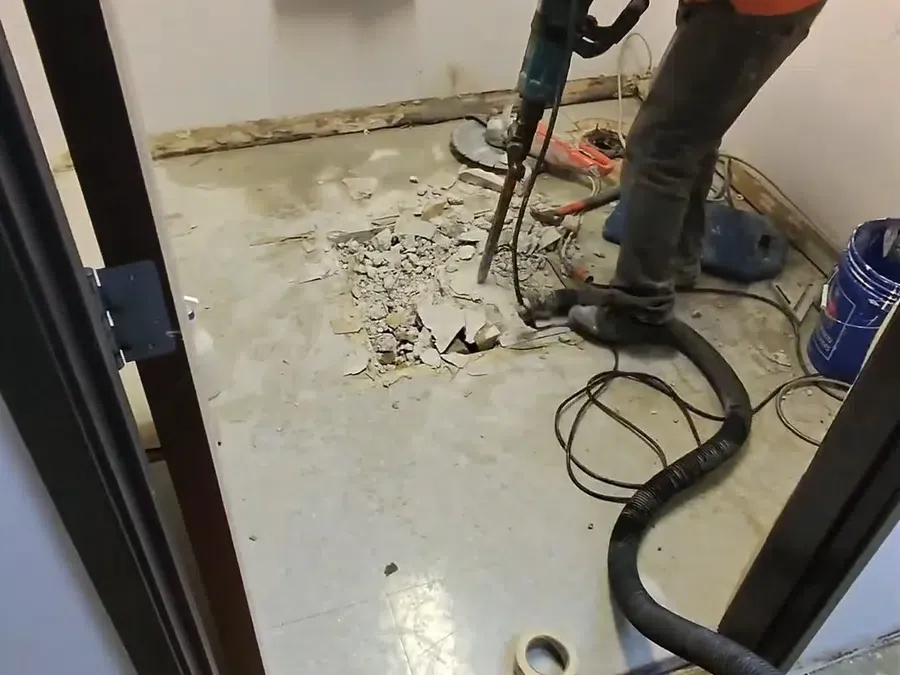
| Spot repair through the slab | A small section of concrete is opened above the leak and the pipe is repaired | Direct, but it means opening the floor and replacing the surface |
| Reroute the line | A new pipe is run through walls or the attic and the old line is abandoned | Avoids the concrete, but it changes where lines run inside the house |
| Epoxy or pipe lining | A coating is applied inside the existing pipe | Less cutting, though it suits only certain pipe conditions |
| Tunnel access | Soil is excavated from outside to reach the pipe from below | Keeps the floor intact, but it needs access from outside |
When the same system keeps failing, pipe repair and repiping is worth comparing against a repair. For a leak that began as a small drip upstream, the general leak location testing page explains how those are found.
Insurance, documents and what to keep
Slab leaks can involve both the pipe and the damage around it, and policies treat those differently. Read the water damage section of your policy and ask the insurer what documentation it needs.
- Photos of the wet area before anything is moved
- The plumber's written description of where the leak was found
- Receipts for any emergency work
- The date and time you first noticed the problem
An urgent or same-day call follows the same steps. Dispatch asks about the water and the meter, tells you what to shut off and arranges a plumber when one is available.
Slab leaks do not keep office hours, and the emergency plumber line answers day and night.
If water has already reached drywall or flooring, flood cleanup service covers removal and drying once the leak is stopped.
Slab leak questions answered
What should I do right now if I think there is a slab leak?
Do now: close the main shutoff valve, keep off any warm or wet patch of floor, and call dispatch. If water is rising, move belongings and rugs out of the area.
Can wait: choosing the repair method, calling your insurer and cleaning up drywall. Those decisions are easier once the plumber has located the leak and the water is off.
Does homeowners insurance cover a slab leak?
It depends on the policy. Some cover the resulting water damage but not the pipe itself, and some address access or tear-out differently. Read the water damage section and ask the insurer directly.
If you plan to file a claim, call the insurer before repairs begin and keep photos, the plumber's written findings and any receipts.
What are the symptoms of a slab leak, and which ones are urgent?
Choose by how fast the water is moving. A hot spot on the floor, the sound of running water with all taps closed or a wet area spreading across the floor needs a call today. A slowly rising water bill or a faint musty smell can be scheduled, though it should not wait for weeks.
In both cases, a meter check with every fixture off is the quickest way to tell whether water is escaping.
What are the early warning signs of a slab leak?
The earliest signs are a higher water bill with no change in use, a meter that moves with everything off and a floor that feels warm in one spot. Low pressure and damp flooring along a wall follow.
None of these proves the leak is under concrete, since a leak in a wall or ceiling can look similar. Locating the leak is the step that tells you.