Gas line repair and installation for Florence homes
Gas piping has no room for guesswork. A gas smell means you go outside and phone the utility, while a new range, dryer or grill line is a job for a licensed plumber. (520) 340-7175 puts you through to dispatch, who can book a plumber for the repair or the new line.
Gas work is done by licensed and insured plumbers, who test the line before the gas is turned on and explain the work before starting.
- Licensed and insured plumbers
- Same-day service when available
- 24/7 emergency dispatch
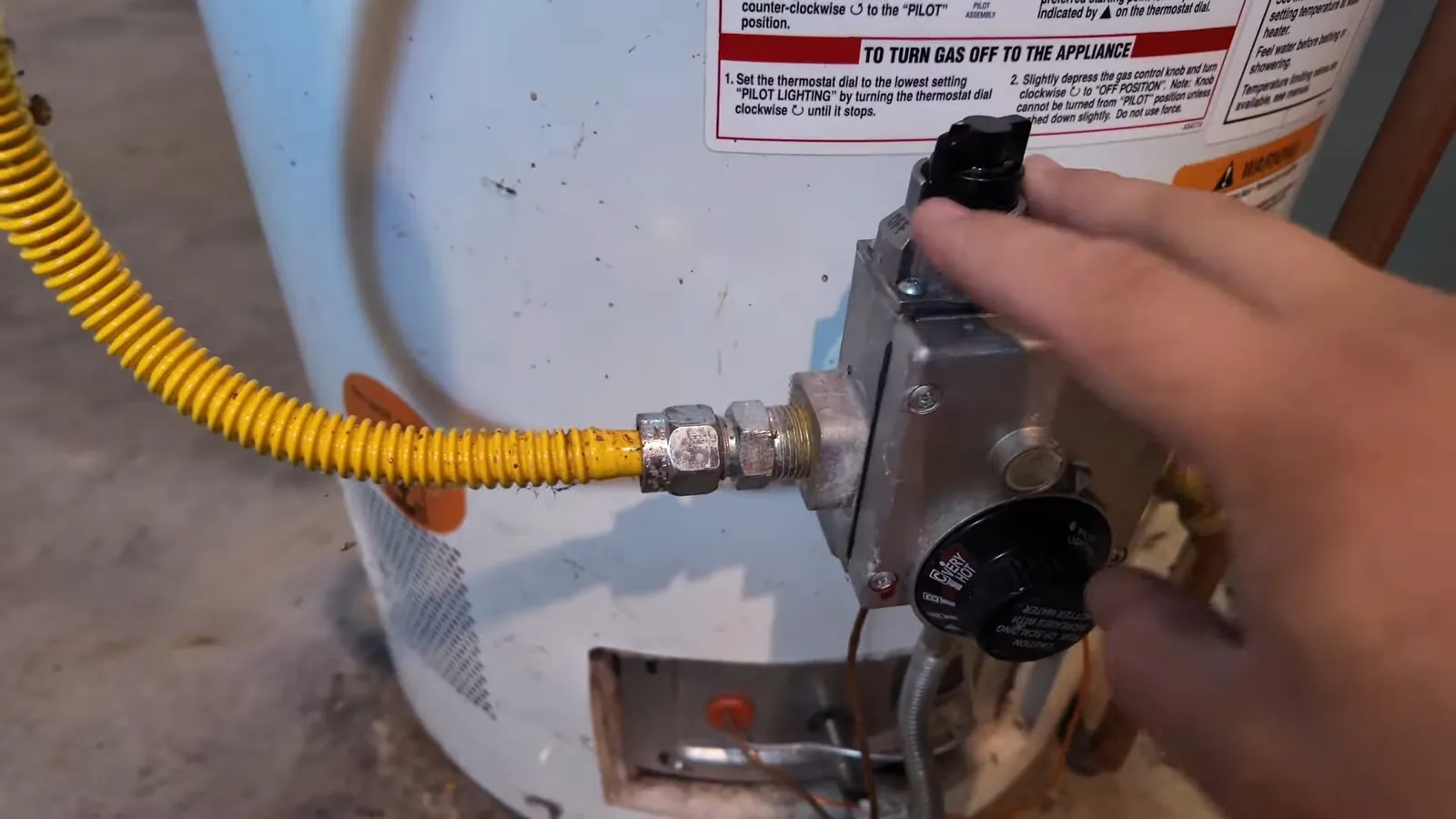
Smell gas? Do this first
- Leave the building and take everyone with you.
- Do not use switches, lighters, phones or anything electrical inside.
- From outside, call the gas utility or 911.
- Stay out until the utility says it is safe.
- Call dispatch once the source is made safe, so the piping can be repaired.
Even a faint smell deserves action. It can come from a pilot that has gone out, but it can also be a leak, and guessing is not safe.
Gas line repair
Gas line repair covers a leaking joint, a corroded section, a damaged flexible connector or a line that was nicked during other work. The plumber also checks the flexible connectors at each appliance for kinks and age, since they are the most handled part of a gas system. The plumber finds the leak with a gas detector or a bubble solution, cuts out or replaces the bad part and tests the line again.
- The gas is shut off at the appliance or the main during the work
- Soap-and-water bubble testing shows small leaks at joints
- A pressure test confirms the line holds before gas is restored
- Appliances are relit and checked after the line passes
Gas line installation for appliances
| Appliance | What the line needs |
|---|---|
| Range or cooktop | A shutoff valve and a flexible connector sized for the unit |
| Dryer | A line and valve in the laundry area |
| Fireplace | A line to the burner, with a valve at a reachable spot |
| Outdoor grill or fire feature | An outdoor line with a shutoff, often with a quick-connect |
| Standby generator | A larger line, sized for the generator's demand |
A tankless water heater often needs a larger gas line than a tank, so upsizing is a common reason to call, as the on-demand water heater page explains. Placement matters as much as pipe size. A shutoff valve has to be reachable, a flexible connector has to be the right length and an outdoor line may be buried, which brings 811 into the job. The plumber confirms each of those on site.
A sounding carbon monoxide alarm is a separate emergency from a gas smell. Leave the house and call 911, then have the appliance checked before anyone relights it.
Each new appliance adds load to the gas supply. The plumber checks that the line and the meter can handle the total.
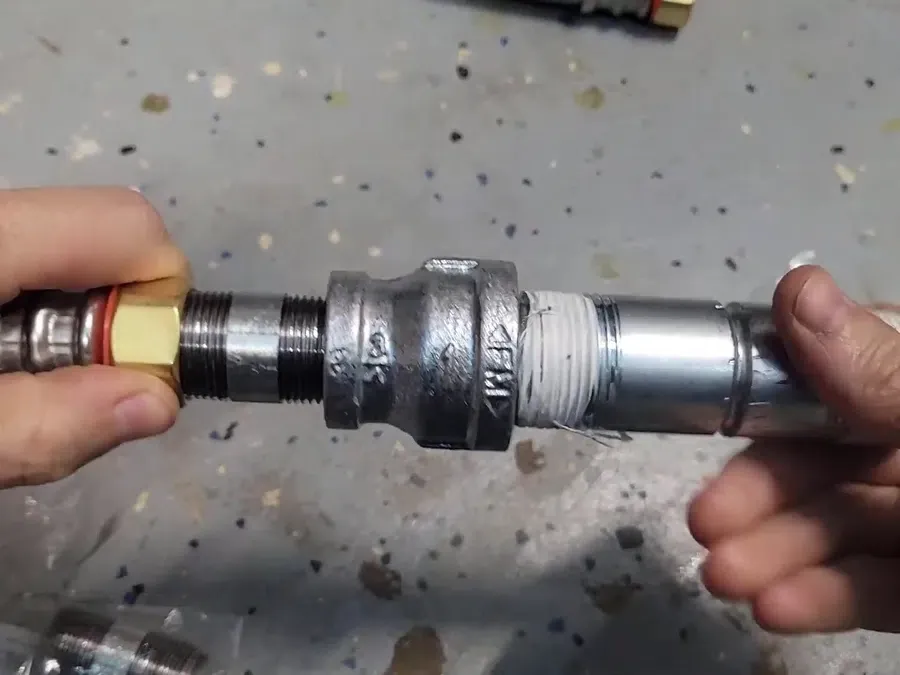
Black iron and CSST piping
| Pipe | What it is | Notes |
|---|---|---|
| Black iron | Threaded steel pipe | Rigid and long-lasting; needs fittings and cutting to length |
| CSST | Flexible corrugated stainless tubing | Quick to run; needs correct fittings and bonding |
| Flexible connector | Short appliance hose | Last link to an appliance; replaced when worn |
Which one fits depends on the route, the code and the inspector. The plumber chooses the type and says why. Ask to see the fittings listed in the scope, since the right connector for each pipe type matters as much as the pipe itself.
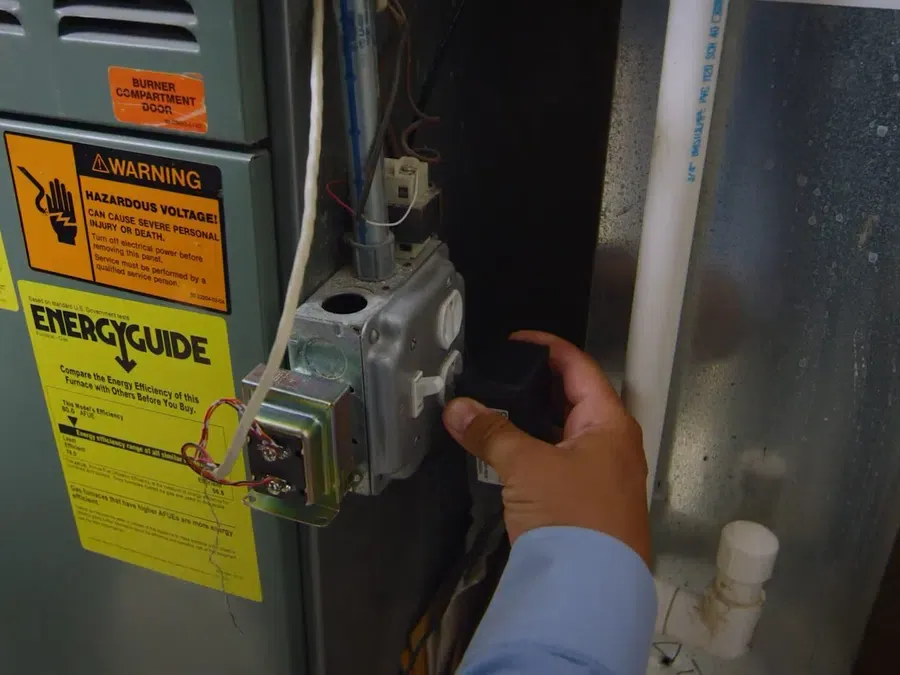
Pressure testing before gas goes on
After any gas line work, the line is pressure tested. Air or gas is applied and a gauge is watched for a drop. A line that holds is safe to light. A line that drops has a leak to find.
Expect the gas to be off for a short time while the work is done. Appliances are relit afterward, and any pilot lights are checked. If you rent, tell the landlord before gas work starts, since the building owner often has to approve it.
Inspection matters too. If the work needed a permit, an inspector checks the line before the walls are closed or the gas is restored.
Natural gas, propane and who handles what
- Southwest Gas holds a certificated natural gas service area in Pinal County; your bill shows who serves your address
- The utility's responsibility ends at the meter
- Propane homes have a tank and a regulator; a propane supplier handles the tank
- In Florence, the Town's Building Safety office can say whether your gas work needs a permit
- Call Arizona 811 two or more full working days ahead of any dig for a buried gas line
Replacing a gas water heater involves venting and the gas connection. The water heater replacement page covers it.
Gas line questions answered
Who runs gas lines to a house?
Southwest Gas holds a certificated natural gas service area in Pinal County, and the utility's line stops at the meter. The piping inside and around your house is run by a licensed plumbing contractor. Not every address is on natural gas, and some homes use propane tanks.
Your gas bill shows which utility serves you. For new house piping, ask the plumber who pulls the permit.
How do I judge a gas line quote without prices?
Use this checklist:
1. Does the quote name the appliances to be connected? 2. Does it say the pipe size and material? 3. Does it include a pressure test and any permit? 4. Does it say who calls 811 and handles any digging? 5. Does it say how long the gas will be off?
This site gives no figures. A written scope that answers those five questions is what to compare.
Who installs a gas line for a stove?
Picture someone swapping an electric range for gas. A licensed plumber runs a gas line to the range location, installs a shutoff valve and a flexible connector, and tests it for leaks before turning the gas on.
An appliance installer may connect the range itself, but the line and valve are plumbing work. Ask who pulls the permit, if one is needed.
What should I do when I smell gas?
Do now: leave the building at once, leave the door open, avoid switches, lighters and phones inside, and call the gas utility or 911 from outside.
Can wait: calling a plumber and scheduling the repair. Do not go back in until the utility says it is safe. A plumber repairs the piping after the source has been made safe.