Water in the house in Florence: removal, drying and cleanup
A burst pipe, a failed water heater, a backed-up sewer or a roof leak can soak a floor in minutes. Call (520) 386-1957, the water damage line, and dispatch will arrange for water removal and drying to begin.
This page covers removal and drying. Smoke and soot cleanup is a different trade, and rebuilding after the damage is not part of this service.
- Licensed and insured plumbers
- Same-day service when available
- 24/7 emergency dispatch
Water extraction and removal
Immediate water damage assistance starts with getting the water out. Emergency water extraction after a bathroom leak or a collapsed ceiling follows the same order: standing water comes out first. Pumps and extractors remove it from floors and carpet, which stops it wicking into drywall and framing. The faster water comes out, the less material has to be removed later.
Water damage is judged by how clean the water was and how long it has stood. Clean water from a supply line is the easiest to deal with. Water from a sewer backup is contaminated, and water that has stood for days soaks deeper and carries more risk. The sooner removal starts, the more material can be saved.
- Stop the source if you can: close the main valve, or leave a sewage backup alone.
- Switch off power to wet areas if it is safe to reach the panel.
- Move furniture, rugs and valuables out of the water.
- Photograph the water and the damage for your records.
- Call, and tell dispatch where the water came from and how deep it is.
What happens on a job
| Stage | What is done | Why it matters |
|---|---|---|
| Assessment | Moisture readings find where water has spread | Shows what is wet beyond what you can see |
| Extraction | Standing water is pumped and vacuumed out | Stops further soaking |
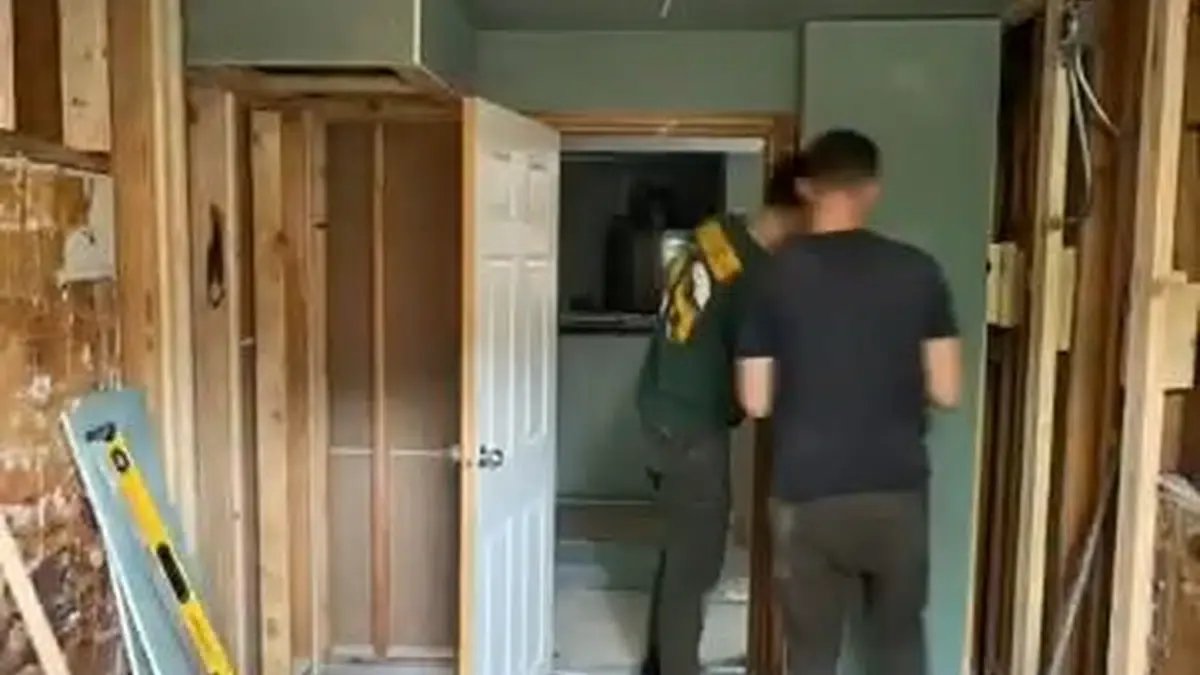
| Removal | Wet drywall, insulation and carpet pad that cannot dry are cut out | Prevents lingering moisture and odor |
| Drying | Air movers and dehumidifiers run for days | Brings the structure back to a dry reading |
| Monitoring | Readings are repeated until dry | Confirms the job is finished |
Urgent or same-day requests go through the water damage line like any other. Dispatch asks where the water came from, how deep it is and whether the source is stopped, then arranges the first visit when one is available. After-hours calls are answered, because water does not wait for morning.
Burst pipe and plumbing leak damage
Once the water is out, the source still has to be fixed. A plumber can stop the leak, and leak finding service finds one that is hidden. A broken line may need repiping options before the structure is dried, or the damage returns.
Leaks that do not come from plumbing, such as a roof leak, an air conditioner drain or an irrigation line, are removed and dried the same way. The source is fixed by the right trade.
Flooded rooms, crawl spaces and whole-house flooding
A flooded room is handled one room at a time. A crawl space or a lower level with water in it is pumped out and dried. Whole-house flooding is staged: the water comes out first, then wet materials are removed and the structure is dried room by room.
Basement waterproofing and exterior drainage are separate trades. This service removes water and dries the structure after a loss, and it does not alter how water drains around your home.
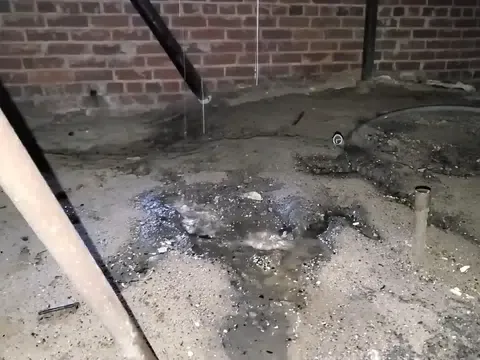
Sewage backup cleanup
Water from a sewer backup is contaminated. It carries bacteria and can make people sick. Affected porous materials such as carpet pad and drywall are removed instead of dried, and surfaces are cleaned and disinfected.
- Keep children, pets and bare skin away
- Wear gloves and boots if you must enter
- Do not run fans that spread contaminated air
- Call a plumber to clear the line first
The line itself is cleared under camera inspection and repair, and the cleanup follows.
Drying equipment: air movers and dehumidifiers
Air movers push dry air across wet surfaces. Dehumidifiers pull moisture from the air so it does not settle again. Water mitigation, the first stage of stopping the spread and drying, is documented so it can be coordinated with your insurer's adjuster. Readings are taken each day, and the equipment stays until the structure reads dry.
Do not turn the equipment off to save noise or power. A structure that looks dry can still hold moisture inside the wall.
How long drying takes depends on the materials, the amount of water and the humidity in the house. Several days is common, and the daily readings, not the calendar, decide when the equipment comes out. A wall cavity or a floor under flooring dries more slowly than an open surface.
Flooring and carpet
| Material | Usual outcome |
|---|---|
| Carpet with pad | Pad often removed; carpet may be dried if the water was clean and caught quickly |
| Hardwood | May cup or buckle; drying is attempted if caught early |
| Tile | Usually fine; moisture under it is checked |
| Laminate and vinyl plank | Often swells and is replaced |
| Hardwood cupped by an air conditioner condensate line leak | Dried if caught early; cupping may stay if water sat |
Replacement flooring is not part of this service. The assessment shows what can stay and what must go.
Damage assessment and mold
A damage assessment checks how far the water has traveled and whether the loss is large enough to need an outside inspection. Mold can start growing within a day or two on damp material, so drying fast is the best defense. Water remediation and mold remediation are tied together: the faster the first, the less of the second. Leaking pipes causing water damage often show up near walls first, and water damage appearing near walls usually means moisture inside the wall cavity. Water damage from leaky pipes can also leave unpleasant odors, which mean material is still wet. Ceiling leaks are common: a wet kitchen ceiling, a stain under an upstairs bathroom, a bulge or hole in the ceiling or water raining from a garage ceiling all start the same way. Stop the source, collect what you can and have the structure checked for moisture before painting over the stain. Sprinkler system leak repair is a separate trade, but the water it sends into the house is removed and dried here.
Mold testing
Testing and inspection look for mold where damp conditions lasted. A test shows whether growth is present and where, so the plan for removal is based on what was found. Mold inspection and spore detection also answer the salvageability question of whether a piece of material can be saved or has to go. Mold treatment on material that never dried is far larger than drying it in time.
Mold remediation and removal
Residential mold remediation follows a set process: contain the area, remove affected porous material, clean surfaces and dry the space. Mold on a ceiling is cut out with the drywall it grew on. Removal is the service offered here, and rebuilding after it is a separate job.
Insurance, paperwork and what to save
Photos to take before cleanup
Capture the water, the source and each room, plus any damaged belongings, before anything is moved.
Records to keep
Keep the plumber's written findings, receipts for emergency work and a list of damaged items.
When to call your insurer
Call early if you plan to claim. Ask what the policy covers for sudden water and for sewer backup, since policies differ.
What this service does not include
Fire, smoke and soot cleanup is a different trade, and rebuilding after the damage is not part of this service. Once the structure reads dry, replacing drywall, flooring and finishes is arranged separately.
Condos, apartments and storms
In a condo or an apartment, tell the property manager at once, because water can pass between units. Storm and flood damage is handled with the same steps, though flood coverage is often separate from standard policies.