
Water leak detection and repair for Florence homes
A hidden leak rarely announces itself. It shows up as a water bill that jumped, a warm patch on the floor, a musty closet or a meter that keeps moving when every tap is off. Call (520) 340-7175 at any hour and dispatch will line up a plumber to trace where the water is going.
Detection comes before repair because a fix aimed at the wrong spot opens walls for nothing. Licensed and insured plumbers handle the visit, and they walk you through what turned up before a repair begins.
- Licensed and insured plumbers
- Same-day service when available
- 24/7 emergency dispatch
Signs of a leak you cannot see
- A water bill that climbs with no change in how you use water
- A meter dial or low-flow indicator that keeps moving with every fixture off
- A warm or damp patch on a floor, or flooring that feels soft
- A musty smell, mold spots or peeling paint on a wall or ceiling
- The sound of running water when the house is quiet
- Low pressure at several fixtures at once
Any one of these can have a harmless cause. Two or three together usually mean water is escaping from a pipe. Humidity from a slow seep can hide a leak behind a wall for weeks, so a musty smell deserves attention.
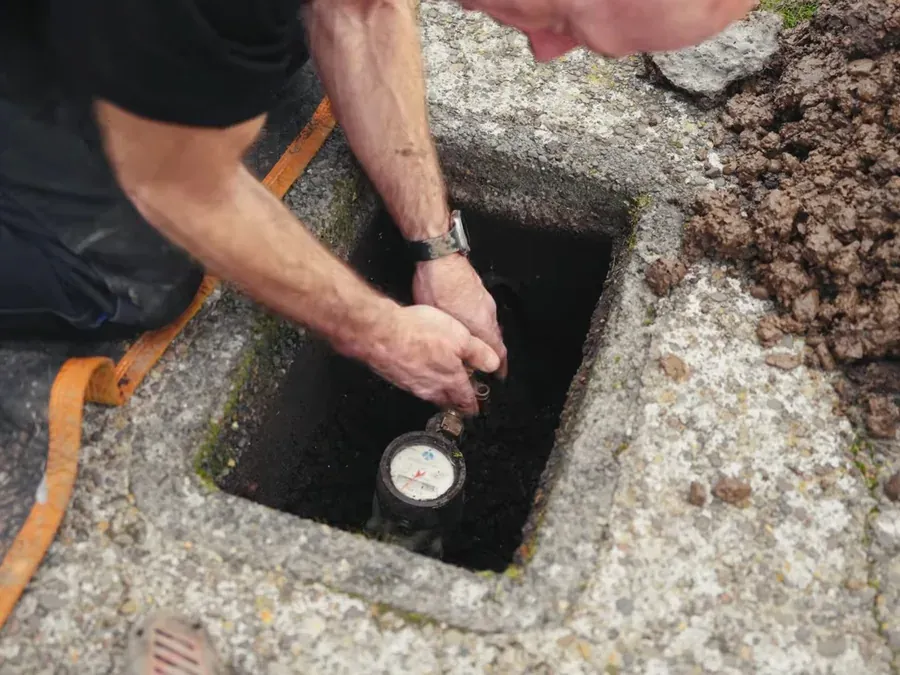
A five-minute meter check
- Turn off everything that uses water, including the ice maker and the irrigation controller.
- Find the meter, usually under a lid near the street, and look at the low-flow indicator.
- Wait thirty minutes without using any water.
- If the indicator moved, water is leaking somewhere between the meter and your fixtures.
- Close the main valve at the house and watch again. If it still moves, the leak is on the line between the meter and the house.
How a plumber finds the leak
Leaks tend to start in the same places: fittings and valves, under sinks, at the water heater connections, in attic supply lines and where a pipe passes through a wall. Attic plumbing is easy to forget, because a drip there first shows up as a ceiling stain below. A leak history helps, so tell the plumber about earlier repairs, stains and bill changes.
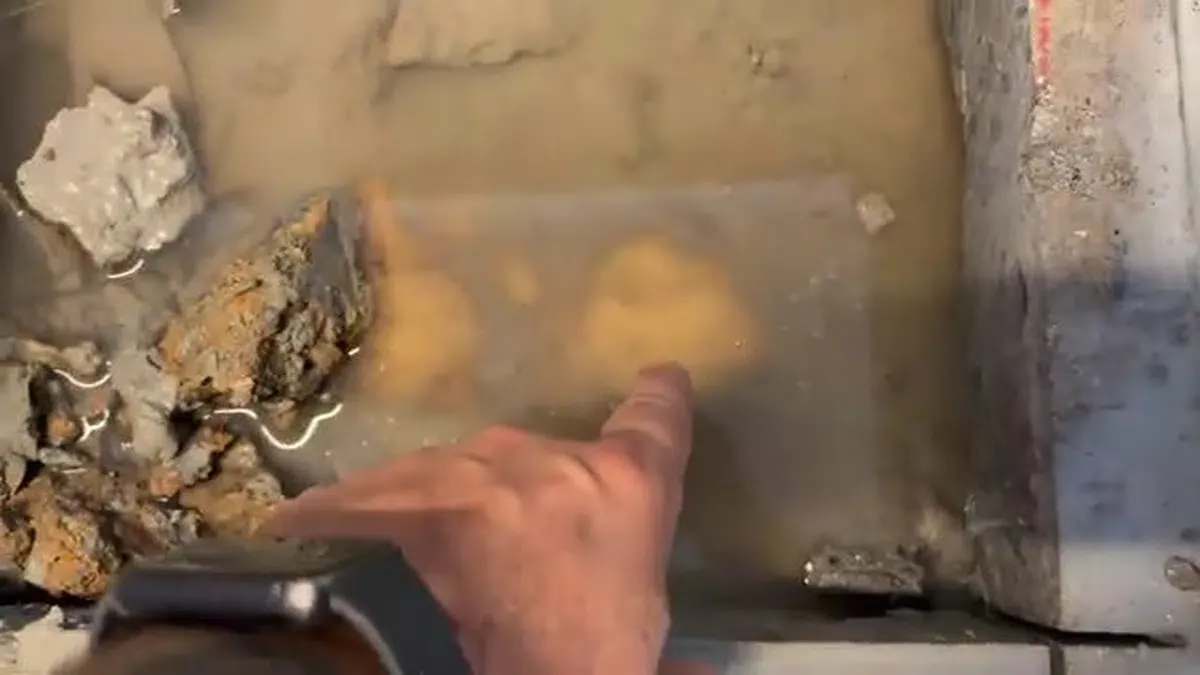
No single tool finds every leak. A plumber usually combines two methods, then confirms the spot by opening the smallest section possible.
| Method | What it does | Best suited to |
|---|---|---|
| Pressure test | Isolates a section of pipe and watches a gauge for a drop | Confirming that a supply line is losing water |
| Acoustic listening | Sensitive microphones pick up the hiss of water escaping | Pinpointing a leak under a floor or in a slab |
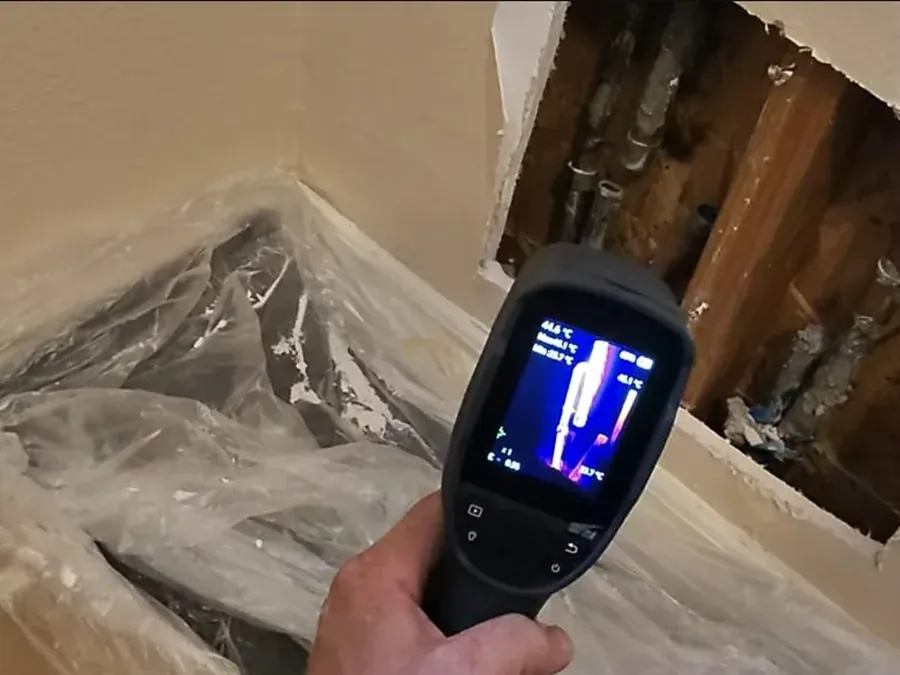
| Thermal imaging | A camera shows temperature differences from a leak | Hot water lines, wet walls and ceilings |
| Moisture meter | Reads dampness in drywall, wood and flooring | Mapping how far the water has spread |
| Camera inspection | A small camera travels inside a drain line | Broken or leaking drain pipe |
Precise leak location is the goal, because it limits how much has to be opened. Leak locators combine listening and thermal tools, and the plumber notes the spot and photographs it so the finding is documented. Catching small leaks early also limits structural damage from prolonged leaks, since water that sits against framing and subflooring for weeks can rot wood and loosen flooring.
A pipe condition check goes one step further. The plumber looks at valves, visible supply lines and water pressure to see which parts are aging. It is worth requesting after a second leak in the same house.
Pressure or hydrostatic testing, where a section is filled with water and held under pressure, is also how a plumber proves a repaired line is tight.
What repair looks like once the leak is found
The repair matches the problem. A failed fitting is replaced. A short damaged section is cut out and a new piece joined in. A line that keeps failing in several places may be rerouted or replaced instead of patched again.
A leak in the line that carries water from the meter to the house belongs on the service line repair page. When pipes are failing at many points, whole-house repiping explains the alternative to chasing one leak after another. A leak under a concrete floor is covered under slab leak.
Toilet, faucet, shower, wall and ceiling leaks
Fixture leaks
Running toilets, dripping faucets and weeping shower valves all waste water, and the meter check will show it. These are usually simple repairs, covered on the toilet repair page.
Wall and ceiling leaks
A stain on a ceiling often sits below the real source. Moisture readings trace it back along the pipe. A leak under the house, in a crawlspace or in a basement area is found the same way, by testing the lines and following the moisture.
If drywall, insulation or flooring has already soaked through, structural drying handles removal and drying after the leak is stopped.
Pool and sprinkler leaks
Pools
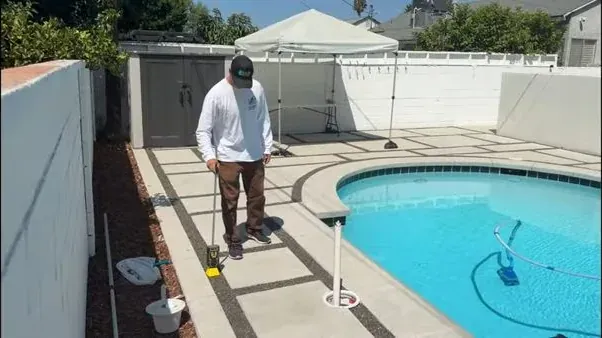
Pool water loss is harder to read because evaporation takes some every day. A simple bucket test helps: set a bucket on a pool step, fill it to the pool's level, mark both levels and compare after a day. If the pool drops more than the bucket, the pool may be leaking. A plumber can then pressure test the supply and return lines and check the equipment area.
Sprinklers and irrigation
Sprinkler heads and drip lines are a separate trade. A plumber can isolate and shut off water to them, but repairing the irrigation system itself belongs to an irrigation contractor.
Which utility bills your water
Leaks that start at night or on a weekend can be reported to the 24/7 emergency plumber line at any hour. A usage spike or a question about the meter reading goes to the utility that bills you. The utility also knows where its responsibility on the service line ends and yours begins, so ask it that question directly.
| Where your home is | Water provider |
|---|---|
| Florence, east of Felix Road | Town of Florence Utilities |
| Florence, west of Felix Road, including Anthem | EPCOR |
| Coolidge | Arizona Water Company |
Questions about finding and fixing leaks
How do I tell whether a high water bill means a leak?
Run a meter check: if the meter keeps moving while every fixture is off, water is escaping somewhere. A bill can also climb from a running toilet, a new irrigation schedule or a longer billing period, so rule those out first.
If the meter moves and the cause is not obvious, call. A plumber can be sent to pressure test the lines. The utility that bills you can answer questions about the reading itself.
Can a leaking pipe in a downstairs wall be fixed without tearing out the whole wall?
Often the opening can stay small. Acoustic listening, thermal imaging and a moisture meter narrow the leak to a short stretch of pipe, so the plumber cuts one access hole near it instead of opening the wall from end to end.
Whether that works depends on what is behind the wall, which is why detection comes before any cutting. A leak near a shower valve or a tub drain may need a larger opening to reach the fitting.
What should I do about water pooling outside near my water valve?
Work through these steps and then call:
1. Keep people and pets away from soft, saturated ground. 2. Shut off the main valve at the house if you can reach it safely. 3. Check whether the meter keeps moving with the main closed. 4. Photograph the area and note when the water first appeared.
If the meter still moves with your valve closed, the leak sits on the line before your house, and the utility serving your address should hear about it too.
How can a leak be found when the pipe is underground?
Picture a yard that stays green and soggy in one strip while the rest is dry. A plumber closes your main valve, confirms the meter still turns, then listens along the line with acoustic equipment to find the loudest point.
That point is marked, and only a small section is dug. Before any dig, Arizona law calls for a 811 request two or more full working days ahead, so buried utilities get marked.